Signs of an increased CO 2 level are confusion feelings of paranoia or depression muscle twitching irregular heartbeat hyperventilation seizures panic attack fainting headache and blurred vision. ETCO2 monitoring offers a breath-to-breath picture and continuous recording of ventilatory effort endotracheal tube placement and respiratory status.
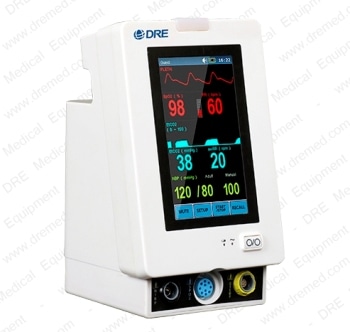
Dre Trax Vital Signs Etco2 Monitor Get Quote Rfq Price Or Buy
So you can choose the right level of continuous patient monitoring technology for each care setting patient condition the skills of your nursing staff and your budget.

Is etco2 a continuous patient monitoring device. Drawbacks of a Non-ICU Setup. Philips continuous monitoring portfolio supports a broad patient population from basic screening and triage to complex surveillance in critical care. A wearable device removes the burden of constantly updating their provider via an.
It is considered important for monitoring the respiratory status of patients during sedation procedures including surgery dental sedation ambulatory and outpatient procedures and emergency care. A lack of continuous monitoring outside of the ICU. Whether using portable compact or specialized models our family of monitors share a.
When SpO2 and ETCO2 remain normal while breathing spontaneously the ventilator can be removed. The Omni continuous patient monitoring device is also engineered with sophisticated user-friendly features such as. Not only are any deviations shared with the.
Many medical wearables used in healthcare IoT solutions are BLE. Hypoventilation and apnea precede hypoxia therefore end-tidal carbon dioxide should be affected before oxygen saturation. A continuous patient monitoring device which includes wearable technology is a patient-centered solution that achieves this aim.
The company said that its product Caretaker is a wireless finger-cuff patient monitoring platform for Continuous Non-Invasive Blood Pressure CNIBP vital signs. In an Intensive Care Unit one-to-one nursing care of a patient along with 24x7 monitoring of a patients vital signs ensures patient safety. ETCO2 monitoring is critical for patients during sedation procedures such as surgery dental sedation ambulatory and outpatient procedures and emergency care to monitor respiratory status.
ETCO2 is continuous non-invasive monitoring that used to guide the temporary deactivation of the ventilator. But it would be good to perform a similar study on a group of. Many patients may not know how to effectively collect or communicate this data to their provider.
1 Likewise continuous monitoring of EtCO2 has been demonstrated to show greater sensitivity for detecting episodes of respiratory compromise. Continuous End Tidal CO2 EtCO2 Monitoring Why Continuous ETCO2. In conclusion it seems to be possible to monitor the efficacy of ventilation in our patients by means of EtCO 2 measurements during the day or overnight and identify peaks of CO 2 linked to sleep andor occurrence of apneas.
Carbon dioxide CO 2 monitors measure gas concentration or partial pressure using one of two configurations. Several connective solutions to network multiple monitors andor manage patient data on an electronic. A high-resolution touchscreen monitor which allows users to make quick screen adjustments set default settings set alarm limits and manage up to 72 hours of patient data.
ICUs are the only place in the hospital where a patient is under continuous observation by the attending nursing staff. Continuous patient monitoring solutions can be built by using the app template provided and using the architecture that is outlined below as guidance. This section outlines each part of the architecture diagram in more detail.
Amid protocol changes and airwayrespiratory procedure modifications due to COVID-19 its comforting to know that when it comes to EtCO2. Carbon dioxide monitoring is especially important for patients undergoing anesthesia and for patients who have an airway management device in place. EtCO 2 offers probably a more reliable and less expensive way of monitoring our patients compared to PtCO2 but.
Bluetooth Low Energy BLE medical devices. Mainstream devices measure respiratory gas in this case CO 2 directly from the airway with the sensor located on the. Youre doing the right thing.
For COPD patients assessment of oxygen status is crucial alongside vitals. The combination of Caretaker ETCO2 solution will enable clinicians to monitor critical elements of patients respiratory status not previously possible in a wireless handheld device with remote data display and reporting.

End Tidal Carbon Dioxide Caretaker Medical Wireless Vital Sign Monitoring

Capnography Etco2
Pin On Agent Monitors

Capnography Etco2
